

When Should You Replace an Outdated Parking Guidance System?
A parking guidance system should help drivers find available parking quickly while giving operators accurate information about how the facility is being used. When it begins producing unreliable counts, disconnected data, or frequent maintenance problems, the issue is no longer cosmetic. It can affect driver trust, staff workload, maintenance costs, and the overall performance of the facility.
Recognizing the signs of a parking management upgrade early can help owners avoid continuing to invest in outdated parking systems that no longer support current operations. The clearest signs your parking guidance system needs replacement usually appear in accuracy, reliability, integration, scalability, and data quality.
1. Occupancy counts are no longer reliable
Accuracy is one of the clearest signs of a poor parking system. If signs show available spaces when a level is actually full, drivers quickly stop trusting the information.
Older counting equipment may struggle with changing traffic patterns, tailgating vehicles, lighting conditions, or aging hardware. These issues can turn an outdated parking ecosystem into a source of frustration rather than useful guidance.
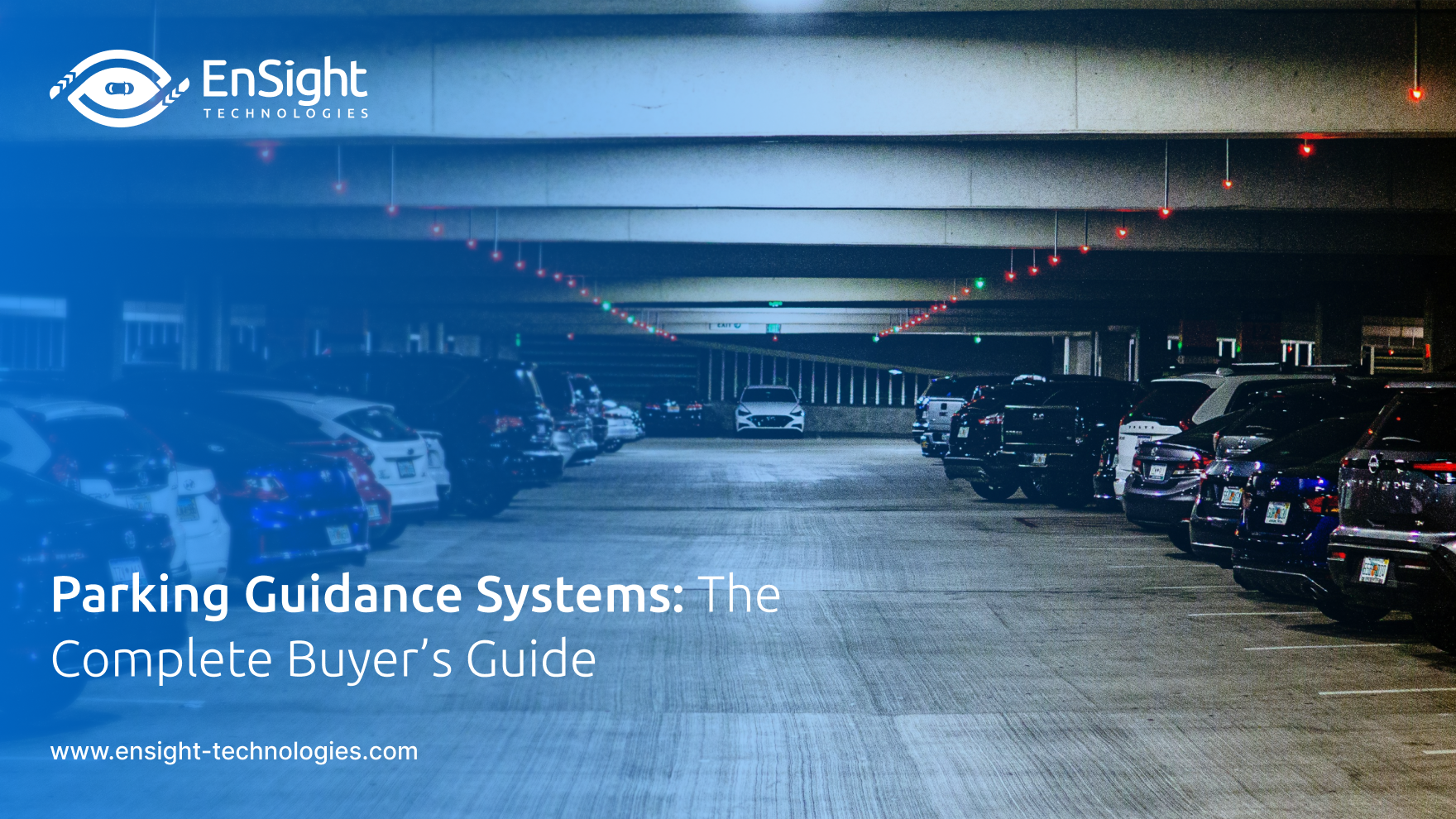
Modern smart parking guidance systems use improved detection and software to maintain more dependable occupancy information. EnSight Technologies uses camera sensor technology, machine vision, and neural-network software to capture real-time parking data and states that EnSight Eyes can provide greater than 99% counting accuracy.
Frequent manual corrections or recurring discrepancies are strong signs your parking guidance system needs replacement.
2. Drivers No Longer trust the Parking Signs
Dynamic parking signage only works when drivers believe the information being displayed. If users ignore guidance because availability data is regularly wrong or delayed, the system is no longer doing its primary job.
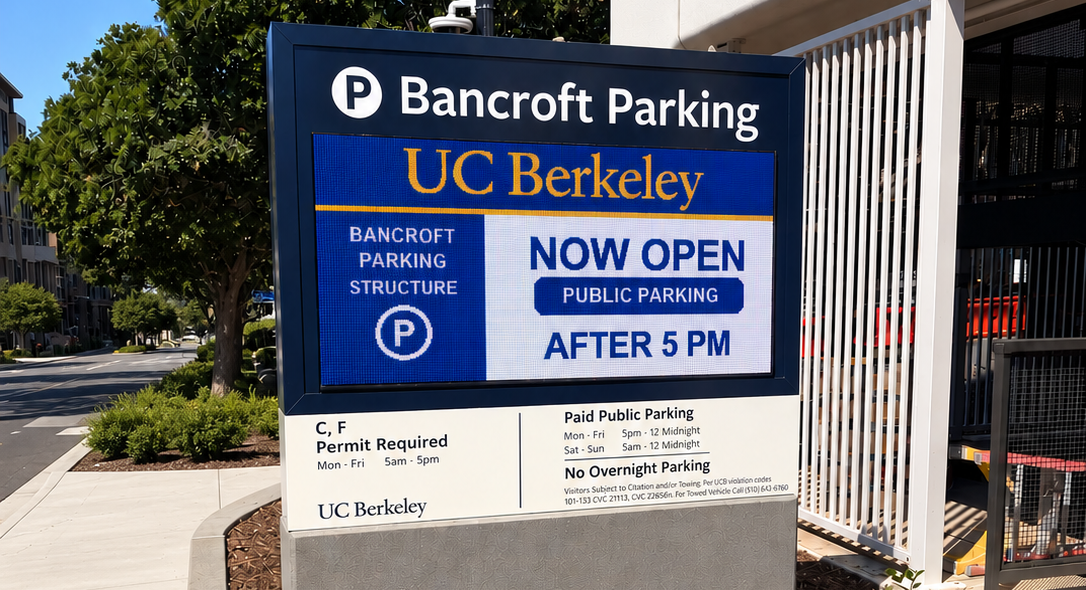
This is another indication that a parking management upgrade may be needed. Modern dynamic parking signage can display current availability at entrances, levels, lanes, and other decision points, helping drivers choose where to go before they enter congested areas.
EnSight Technologies offers scalable wired and wireless signage designed to work with new or existing infrastructure. When drivers repeatedly circle beneath signs they no longer trust, it is one of the most visible signs of a poor parking system.
3. Your Parking Technologies Cannot Communicate
An outdated parking ecosystem often develops piece by piece. Access control, occupancy counting, signage, payments, license plate recognition, and reporting may all operate through separate platforms.
Modern parking guidance technology should work with the wider parking operation. EnSight Connect, for example, is designed to integrate with PARCS equipment, LPR, valet platforms, EV charging systems, and other third-party technologies through APIs.
If your parking management system cannot exchange useful data with technologies the facility depends on today, modernization deserves consideration. Smart parking guidance systems should reduce operational friction rather than create another isolated source of data.
4. Maintenance Costs Keep Increasing
Outdated parking systems may remain operational while becoming increasingly expensive to maintain. Parts can become difficult to source, sensors may require frequent attention, and technicians may spend more time repairing aging devices.
Rising maintenance expenses can be another sign that a parking management upgrade is becoming necessary. A modern parking management system should be evaluated on total lifecycle cost rather than simply asking whether existing equipment can continue operating for another year.
EnSight Technologies emphasizes a smaller hardware footprint for its automated guidance approach, using strategically positioned cameras to reduce infrastructure complexity and the number of field components required.
5. The System Cannot Scale with the Facility
Parking requirements rarely stay the same. Properties add EV spaces, accessible parking, reserved areas, new structures, payment technologies, and new reporting needs.
A legacy parking guidance system may have been designed for the property as it existed years ago. If expansion requires extensive rewiring, proprietary equipment, or repeated operational workarounds, you may be seeing signs your parking guidance system needs replacement.
Flexible smart parking guidance systems can expand as facility requirements change. EnSight Technologies offers modular occupancy cameras, specialty-space monitoring, dynamic parking signage, LPR, revenue tools, surveillance capabilities, and API connectivity. Scalability should therefore be central to choosing the right parking guidance system.
6. Reporting and Parking Data are Too Limited
Another common sign of a poor parking system is limited operational visibility. A system that changes a sign but provides little historical information can leave managers guessing about parking utilization.
Modern parking guidance technology can support current occupancy, historical trends, alerts, and reporting. This information can help identify peak periods, underused areas, and recurring congestion.
A capable parking management system should serve both drivers and facility operators. If an outdated parking ecosystem cannot provide useful data, modernization can create value beyond basic wayfinding. Limited reporting can also become one of the signs your parking guidance system needs replacement when operators require better information for staffing, planning, or expansion.
7. The Facility has Changed, But the System Has Not
Renovations, new traffic patterns, updated access policies, changing user expectations, and newly added parking areas can expose the limitations of outdated parking systems.
Dynamic parking signage should communicate information where drivers actually make decisions, while the underlying parking guidance system should support specialty spaces, integrations, and additional parking zones.
This connected approach is an important part of the future of parking guidance. Instead of relying on isolated devices, facilities increasingly need systems that combine accurate detection, guidance, software, analytics, and integrations.
What Should You Look for in a Replacement?
Choosing the right parking guidance system starts with understanding what the existing platform cannot do. Replacing old technology with a newer version of the same limitations is rarely a strong long-term strategy.
Evaluate:
- Detection accuracy
- Integration capabilities
- Hardware requirements
- Real-time and historical reporting
- Maintenance requirements
- Signage flexibility
- Expansion capabilities
- Software and technical support
The selected parking guidance technology should also work with existing infrastructure where appropriate.
EnSight Technologies combines smart parking guidance systems with API integrations and configurable dynamic parking signage, allowing facilities to modernize without forcing every property into the same architecture.
Choosing the right parking guidance system should ultimately be based on long-term operational value rather than the lowest upfront price.
Should You Repair, Integrate, or Replace?
Not every older parking management system needs immediate replacement. If counts remain accurate, components are still supported, integrations can be added, and drivers continue trusting the information, targeted modernization may extend the system’s useful life.
However, inaccurate occupancy data, failing equipment, disconnected software, limited reporting, and rising maintenance expenses together are strong signs your parking guidance system needs replacement.
Choosing the right parking guidance system should include an honest assessment of what is worth keeping. Sometimes new integrations can solve the problem. In other situations, the outdated parking ecosystem itself has become the barrier to better operations.
Preparing For the Future of Parking Guidance
The future of parking guidance is increasingly connected. Occupancy information can support wayfinding, specialty-space management, license plate recognition, payments, surveillance, and third-party operational platforms.
Smart parking guidance systems are also becoming more software-driven, making interoperability and scalability increasingly important. Parking guidance technology should be able to adapt as EV charging, digital payments, mobility services, and parking operations evolve.
For owners reviewing whether a parking management upgrade is needed, the goal should not simply be installing newer equipment. The objective should be building a parking environment that remains accurate, useful, scalable, and manageable over time.
The future of parking guidance will favor systems that can share information, support new use cases, and expand without requiring owners to rebuild their entire technology environment.
Know When it is Time to Move Forward
The strongest signs that a parking management upgrade is needed are operational. If drivers cannot trust availability data, employees constantly correct counts, maintenance costs continue rising, and systems cannot integrate or expand, the existing parking management system may be holding the facility back.
EnSight Technologies develops smart parking guidance systems around intelligent machine vision, scalable modules, connected parking guidance technology, and flexible integrations.
For facilities experiencing repeated signs of a poor parking system, modernization can create a stronger foundation for the future of parking guidance while improving the parking experience today.
Frequently Asked Questions
What are the most common signs your parking guidance system needs replacement?
The most common signs your parking guidance system needs replacement include inaccurate occupancy counts, unreliable equipment, poor integrations, weak reporting, outdated dynamic parking signage, and increasing maintenance costs. These are also common signs of a poor parking system.
Can outdated parking systems be upgraded instead of replaced?
Yes. Some outdated parking systems can be improved with new cameras, software, integrations, or signage. However, if the underlying outdated parking ecosystem is unreliable, proprietary, or unable to scale, replacement may provide better long-term value.
What matters when choosing the right parking guidance system?
Choosing the right parking guidance system requires evaluating accuracy, scalability, integrations, maintenance, reporting, signage, and total ownership costs. The selected parking management system should also support future expansion and work with existing infrastructure where practical.
How is modern parking guidance technology different from older systems?
Modern parking guidance technology increasingly combines intelligent detection, real-time data, analytics, software, and open integrations. These capabilities allow smart parking guidance systems to provide more operational value than many standalone legacy technologies.
Why is dynamic parking signage important?
Dynamic parking signage converts occupancy information into useful guidance at entrances, levels, and lanes. When connected to accurate data, it helps drivers make faster parking decisions and reach available capacity more efficiently.
What does EnSight Technologies offer for parking guidance modernization?
EnSight Technologies provides machine-vision occupancy monitoring, specialty-space tracking, signage, LPR, revenue tools, surveillance options, and API integrations. Its modular approach can help facilities move away from outdated parking systems and prepare for the future of parking guidance.