

How Parking Analytics Can Improve Revenue and Space Utilization
Every arrival, departure, payment, and occupancy change can reveal where demand is strongest and where capacity is underused. Parking analytics turns that activity into information teams can use to improve parking revenue management and make better use of existing space.
When parking data analytics is connected with parking occupancy data, payment activity, and parking guidance systems, operators gain a clearer picture of performance. That visibility supports parking revenue optimization without assuming higher rates or more construction are the answer. EnSight Technologies helps operators connect occupancy, guidance, payments, and reporting so decisions can be based on how a facility is actually being used.
See Where Revenue Opportunities Are Being Missed
Parking revenue management depends on more than the price posted at the entrance. Revenue can suffer when drivers cannot find open spaces, payment creates friction, or high-demand areas fill while other capacity sits unused.
Parking occupancy analytics shows how quickly areas fill. Parking demand analysis reveals whether those patterns repeat by hour, day, season, or event.
A facility may feel full even when upper levels still have open capacity. Better use of those spaces can support revenue before an operator considers adding inventory.
Use Occupancy Information To Improve Space Utilization
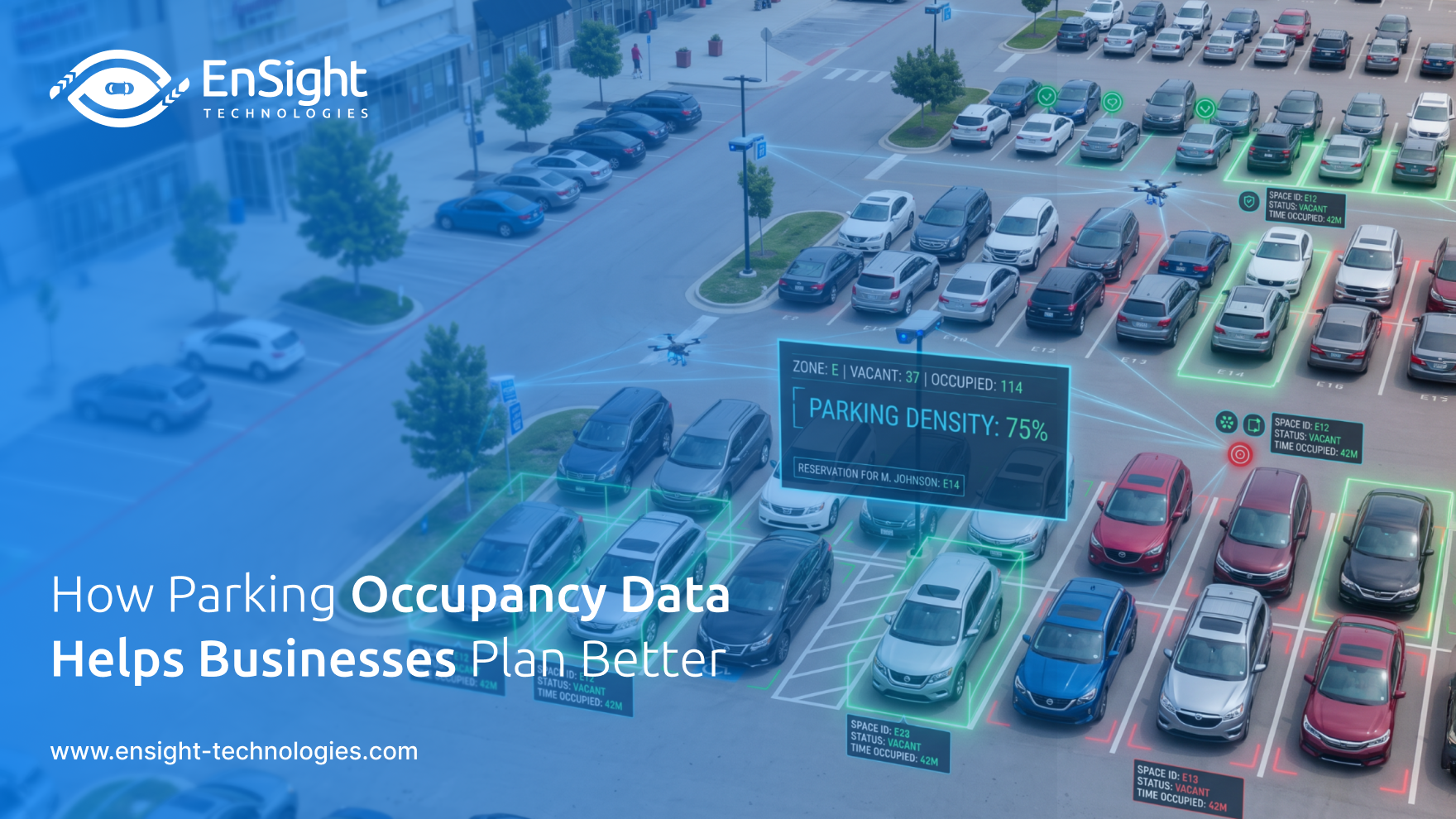
Parking occupancy data shows how much of a facility is used and where demand is concentrated. With parking occupancy analytics, teams can compare patterns over time. Parking data analytics may reveal underused reserved areas or traffic being funneled toward one section.
Those findings can support better parking utilization through changes to allocations, signage, permits, or shared-parking rules. Parking management software can make these patterns easier to review by bringing current and historical information into a single operational view.
For many properties, improving existing space use is more practical than building additional parking.
Make Pricing Decisions With Demand In Mind
Parking revenue optimization works best when operators understand demand. Parking demand analysis can identify peaks, quieter periods, and seasonal changes.
Parking occupancy data adds context by showing how close a facility gets to practical capacity. A parking payment system can then show how that demand translates into paid sessions.
Together, these inputs give parking revenue management teams a stronger basis for evaluating rates, validations, permits, and parking products. Parking analytics helps test whether current pricing reflects real demand.
The platform can also help teams compare occupancy and revenue trends over time to see whether a change improved results.
Connect Guidance With Revenue Performance
Drivers may leave when they think a garage is full. Parking guidance systems can reduce that risk by directing them toward open capacity.
Better guidance can improve parking utilization while supporting parking revenue optimization. If previously underused areas begin filling more consistently after signage or routing changes, parking occupancy analytics can help quantify the effect.
EnSight Technologies uses machine-vision occupancy monitoring and configurable digital signage to provide real-time availability information. Its broader ecosystem can connect guidance with reporting and other parking operations. Parking data analytics can then show whether operational changes are improving use of the asset.
Improve Payment Visibility
A parking payment system should make transactions simple. When payment data is disconnected from occupancy, operators may struggle to compare revenue with vehicle activity.
Live occupancy information can show current occupancy while payment systems record active or completed transactions. That comparison can help parking revenue management teams identify unusual gaps, validation issues, or areas that deserve closer review.
EnSight Technologies includes payment, permit, validation, and license plate recognition capabilities within its parking ecosystem. This can support parking revenue optimization by helping operators connect revenue activity with parking occupancy data instead of reviewing each system separately. A connected platform can also reduce reliance on manual reconciliation.
Make Event Parking More Predictable
Event parking management can create intense demand in a short period. Operators need to know which areas are filling first and when overflow should begin.
Live occupancy information can show fill rates while vehicles are arriving. Historical parking data analytics can help teams prepare for future events by comparing arrival patterns, peak occupancy, and departure timing.
EnSight Technologies states that its event parking management solution provides real-time occupancy information, historical reporting, alerts, and tools that can compare vehicle counts with digital payment activity.
That information supports staffing, traffic control, payment planning, and parking demand analysis. Event parking management is easier when teams can see conditions across the facility.
Use Software To Bring The Picture Together
Parking management software is more useful when it brings together occupancy, reporting, guidance, payments, and alerts.
Live occupancy information supports immediate decisions, while historical information supports planning. Parking management software helps operators compare both views and assess parking utilization.
Parking guidance systems can then turn current occupancy information into instructions for drivers. A parking payment system adds another layer by showing how use translates into transactions. This combination supports a more practical revenue strategy because decisions reflect both operational demand and financial activity.
Measure Utilization Before Expanding Capacity
Before adding spaces, operators should confirm the facility is truly short on capacity. Parking demand analysis can reveal whether the issue is inventory, distribution, restrictions, or weak guidance. Occupancy history can show how often the facility reaches capacity, which sections remain available, and whether the same pattern repeats.
If parking utilization is uneven, digital guidance may help redistribute demand before major capital spending is considered. Business owners can then make expansion decisions with stronger evidence. EnSight Technologies provides real-time and historical occupancy reporting through its web-based platform, helping operators understand how parking assets perform over time.
Turn Parking Information Into Measurable Value
Improving revenue and space use starts with understanding how a facility performs. Parking occupancy analytics, parking demand analysis, and parking data analytics help teams see where demand is strong, where capacity is underused, and where operational changes may create value.
EnSight Technologies brings together parking analytics, parking management software, parking guidance systems, event parking management, and revenue tools in a connected ecosystem. With better parking occupancy data and a more visible parking payment system, operators can make parking revenue management and parking revenue optimization more informed.
Frequently Asked Questions
What Is Parking Analytics?
Parking analytics is the use of parking activity information to understand occupancy, demand, payments, and facility performance. It helps operators identify trends that can improve parking utilization and support more informed revenue decisions.
How Does Parking Occupancy Analytics Support Revenue?
Parking occupancy analytics shows where demand is concentrated and where capacity remains unused. Combined with parking revenue management and parking revenue optimization, it can help operators evaluate pricing, guidance, and space allocation.
What Role Does Parking Management Software Play?
Parking management software can bring together real-time and historical information, reporting, alerts, and integrations. It helps teams review parking data analytics without relying on disconnected systems or manual reporting.
How Can A Parking Payment System Improve Revenue Visibility?
A parking payment system records transactions, validations, and paid sessions. When it is reviewed alongside parking occupancy data and live occupancy information, operators can better understand how vehicle activity translates into revenue.
How Do Parking Guidance Systems Improve Space Utilization?
Parking guidance systems direct drivers toward open capacity, which can reduce unnecessary searching and help underused areas fill more consistently. Better parking utilization can allow more of the existing facility to contribute to revenue.
How Can Analytics Improve Event Parking Management?
Event parking management benefits from live occupancy information and historical parking demand analysis. These insights can support staffing, overflow planning, traffic flow, and payment operations during high-demand events.